The SGP Waste Project
Supporting Waste Sustainability Initiatives in Seychelles
Tackling Climate Change Through Better Management of Biodegradable Waste
In May 2024, we began implementing our project focused on improving the management of biodegradable waste in Seychelles. Supported by the GEF Small Grants Programme (SGP) under the UNDP, the project is mainly focused on reducing the amount of organic waste going to the landfill with an emphasis on reuse, recycle and recovery.
Food Waste Reduction and Composting Initiative with Tourism Establishments and Farmers
Under the project, we aimed to reduce the amount of organic waste sent to landfills across Mahe, Praslin, and La Digue by promoting composting, food waste reduction, and circular economy solutions.
Waste and the Circular Economy Public Lecture
In June 2024, we organized a public lecture on Waste and the Circular Economy in Small Island States, focused on addressing Seychelles’ waste crisis and promoting sustainable waste management solutions. This lecture was held to introduce the SGP waste project. The event highlighted concerns over the near-capacity Providence landfill and the need to divert biodegradable waste. Presentations were delivered by representatives of S4S, the Ministry for Environment, the LWMA, The Ocean Project Seychelles, and Professor Simron J. Singh.
Professor Simron of the University of Waterloo, Canada is the founder and lead of the research program “Metabolism of Islands”, the Executive Secretary of the International Society for Industrial Ecology, chairs the inaugural board of Island Industrial Ecology within ISIE and co-chairs Risk-KAN. Risk-KAN is a global research and action network of Future Earth, Integrated Research on Disaster Risk (IRDR), the World Weather Research Program (WWRP), and the World Climate Research Programme (WCRP).
Using the analogy that islands function like living organisms, he analyses how small island economies utilize (or metabolize) materials, energy, water, and infrastructure; why and how these consumption patterns accumulate “socio-metabolic risk” over time and increase their susceptibility to the challenges of climate change, and potential pathways for island economies to transition to a more sustainable, circular resource-use model, thereby bolstering their overall resilience to the impact of climate change.
Under this initiative, we worked with hotel establishments to introduce composting initiatives and to develop and implement a food waste reduction initiative with the farmers. We also supported the establishment of commercial/agricultural composting of food and other organic waste from homes, restaurants, and hotels on Mahe, Praslin, and La Digue.
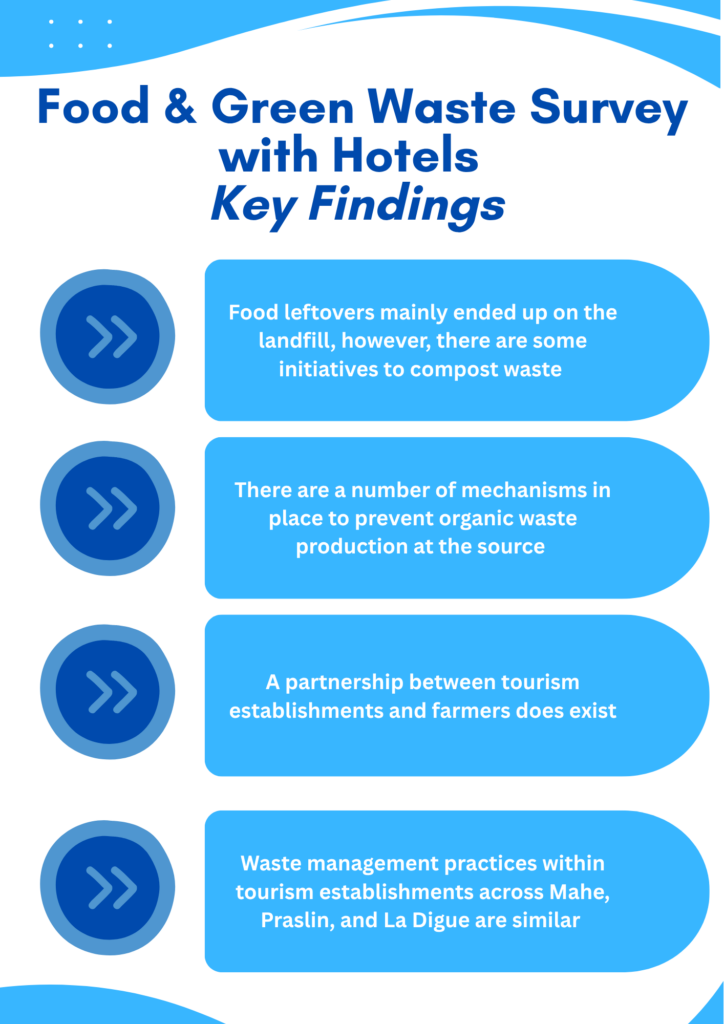
We conducted a survey with hotels to collect data on the volume of food and green waste produced weekly by hotels and restaurants, understand existing systems, identify obstacles, and determine the type of assistance needed. Here’s what we found out:
- Food leftovers mainly ended up in the landfill; however, there are some initiatives to compost waste
- There are a number of mechanisms in place to prevent organic waste production at the source
- A partnership between tourism establishments and farmers does exist
- Waste management practices within tourism establishments across Mahe, Praslin, and La Digue are similar
We also conducted a stakeholder exercise to identify stakeholders for food waste reduction and green waste valorisation, aiming to establish effective partnerships.
As part of the project, between 2025 and 2026, the initiative successfully engaged 30 participants from 5 major establishments across Mahe, Praslin, and La Digue, namely Chalet Bamboo Vert, Zerof Guest House, Avani, Maia Anantara, and Raffles Seychelles. The training provided staff with the tools to:
- Identify Waste Sources: distinguishing between avoidable waste (e.g. spoilage, preparation trimmings) and non-avoidable waste (e.g. eggshells, bones).
- Apply the Waste Hierarchy: Prioritising prevention first, followed by the redistribution of good food, and finally, ensuring zero food waste reaches the landfill.
- Implement Monitoring Systems: Using practical modules and high-tech tools like the Winnow system to track waste data and improve kitchen workflows.
Next, we brought the farmers into the equation as we aimed to establish effective linkages between farmers and hotels/tourism establishments. We aimed to support the establishment of agricultural composting of food and other organic waste from homes, restaurants, and hotels on Mahe, and Praslin by enhancing farmers’ capacity to receive green waste in bulk.
Our work identified suitable farmers to take part in the initiative, receiving green waste from hotels identified. We also supported work needed in preparation for green waste compost processing, such as site preparation for 4 farmers in the Val D’en D’Or region.
Food Redistribution Component
The food redistribution component of the project aims to prevent good surplus food from ending up in the landfill by connecting businesses with communities in need. Through the FoodShare Seychelles online platform at https://www.foodshare-seychelles.online/ supermarkets, hotels, restaurants, and other potential donors can quickly share information on the availability and type of safe, edible food, making it easier for community groups, individuals, and charities to access these resources. Donors are encouraged to provide clear details on the food they offer, and both donors and recipients share responsibility for ensuring that food is handled safely, with recipients checking items carefully upon receipt and before consumption. This nationwide tool, implemented by Sustainability for Seychelles, was developed by 17‑year‑old tech innovator Tyler Nicholas and is managed by project consultant Rossetta Alcindor of Kreola Consulting, building on the pioneering work of the Seychelles Sustainable Tourism Foundation in food waste reduction in the hospitality sector. Together, these partners are helping shift surplus food from waste streams to people’s plates, while supporting a more climate‑friendly and socially inclusive food system in Seychelles.
Education and Awareness
We have had several education and awareness sessions under the SGP project.
Turning Waste into Opportunity: Inspiring Circular Innovation in Farming
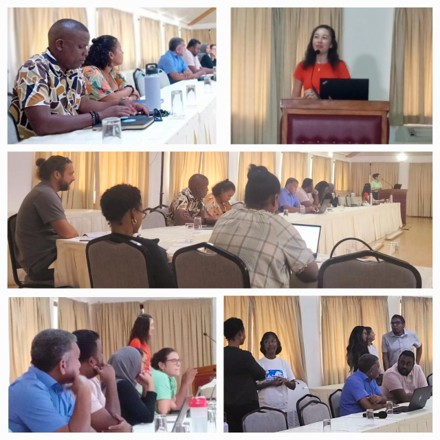
In March 2026, we partnered with Africa Circular and Moutok Seychelles to deliver a workshop entitled: “Turning Waste into Opportunity: Inspiring Circular Innovation in Farming”. We gathered 37 participants, including farmers, governmental research institutions, academia, waste management entities, professional training institutions, conservation organizations, tourism associations, tourism establishments, consultants, entrepreneurs, and animal feed producers. Discussions focused on composting and the use of Black Soldier Fly larvae, which can convert food and organic green waste into high-protein animal feed and organic fertilizer.
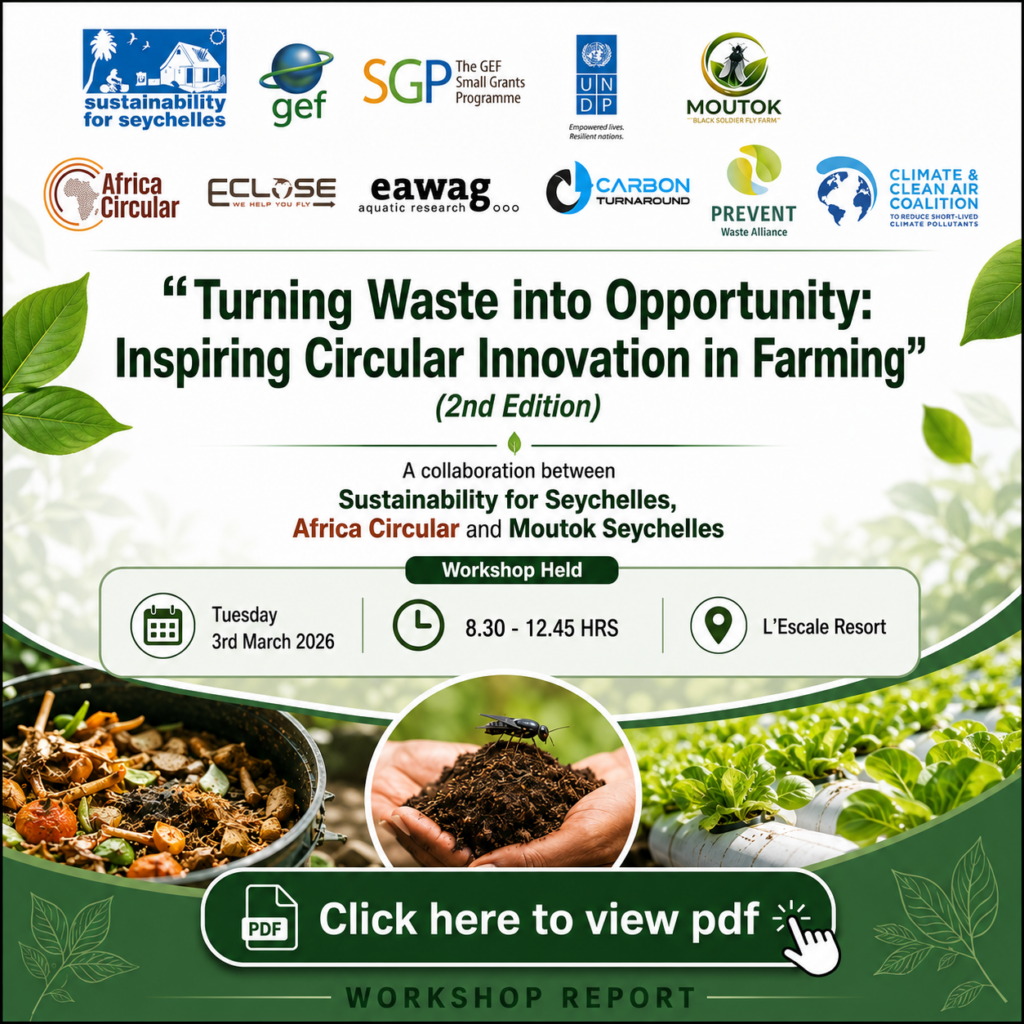
Turning Waste into Opportunity: Inspiring Circular Innovation in Farming – Workshop
In May 2025, we held a workshop focused on addressing Seychelles’ waste problem and innovation in circular economy solutions. We gathered 30 participants, including stakeholders from government, civil society, agriculture, tourism, and the private sector, to discuss biodegradable waste management, composting initiatives, and partnerships between the tourism establishments and farmers. Presentations were delivered by S4S, the Landscape and Waste Management Agency (LWMA), the Department of Agriculture, and Ocean Growth Fertiliser which showcased an innovative fertilizer made of fish waste.
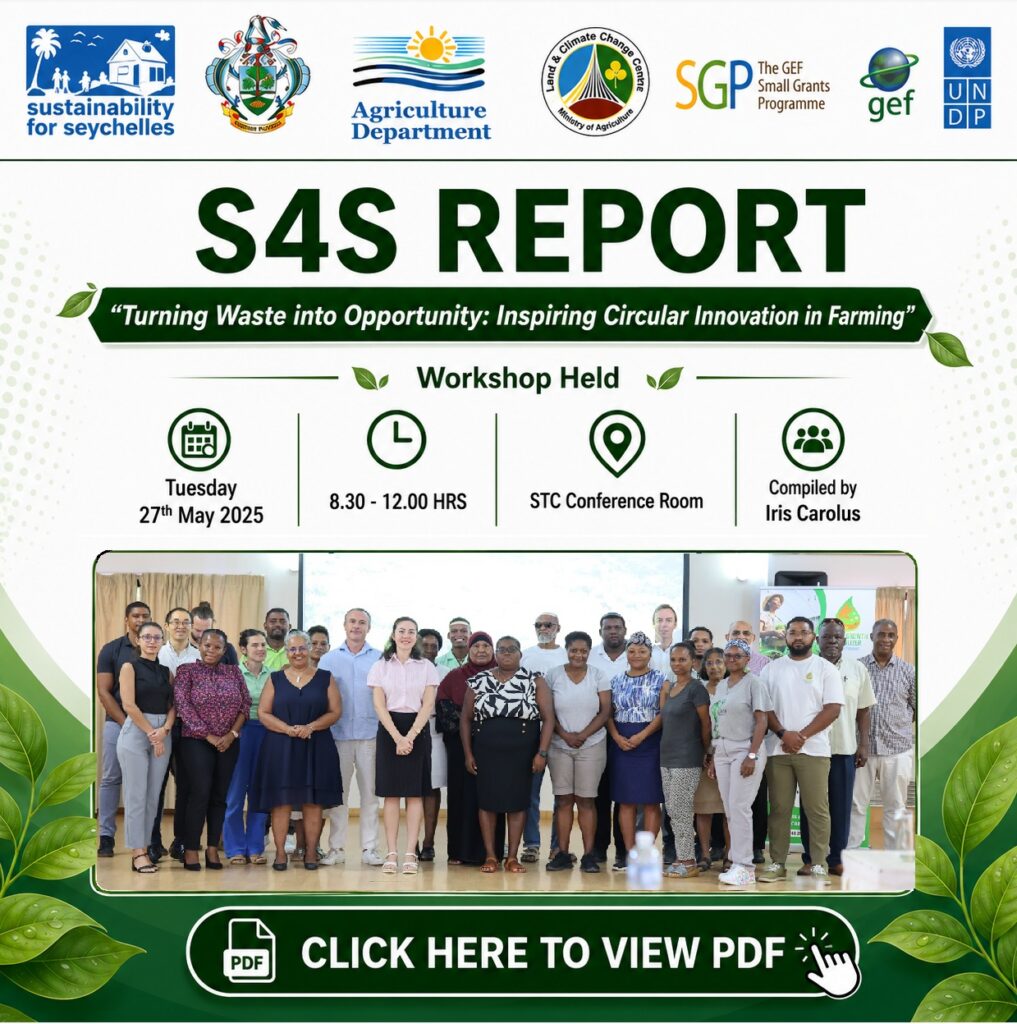
Waste Audit
An important component of this project involved waste auditing and the design of a new waste audit tool and guidance for organizations. A review of waste audits conducted in Seychelles was undertaken to identify strengths, gaps, and opportunities for improving waste audit practices.
Key insights emerging through the assessment emphasized

The assessment also found that waste audit tools should include:

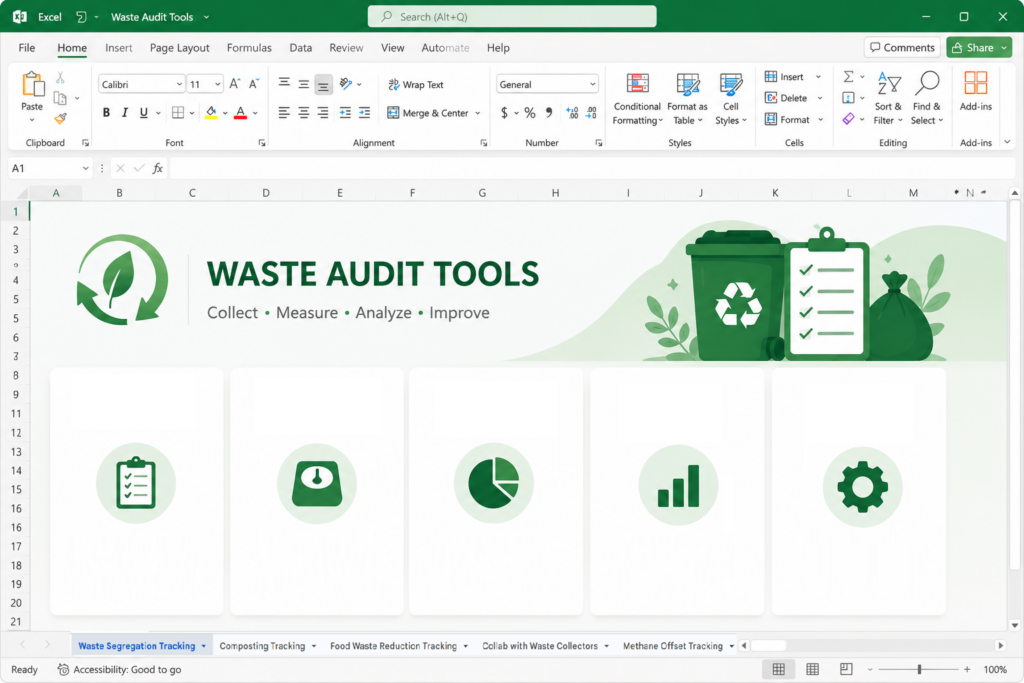
The waste audit tool developed under the project
Link to waste audit tool: Waste Audit Tool .xlsx
Link to waste audit manual: Waste Audit Manual.pdf
Waste Audit Tool Workshop
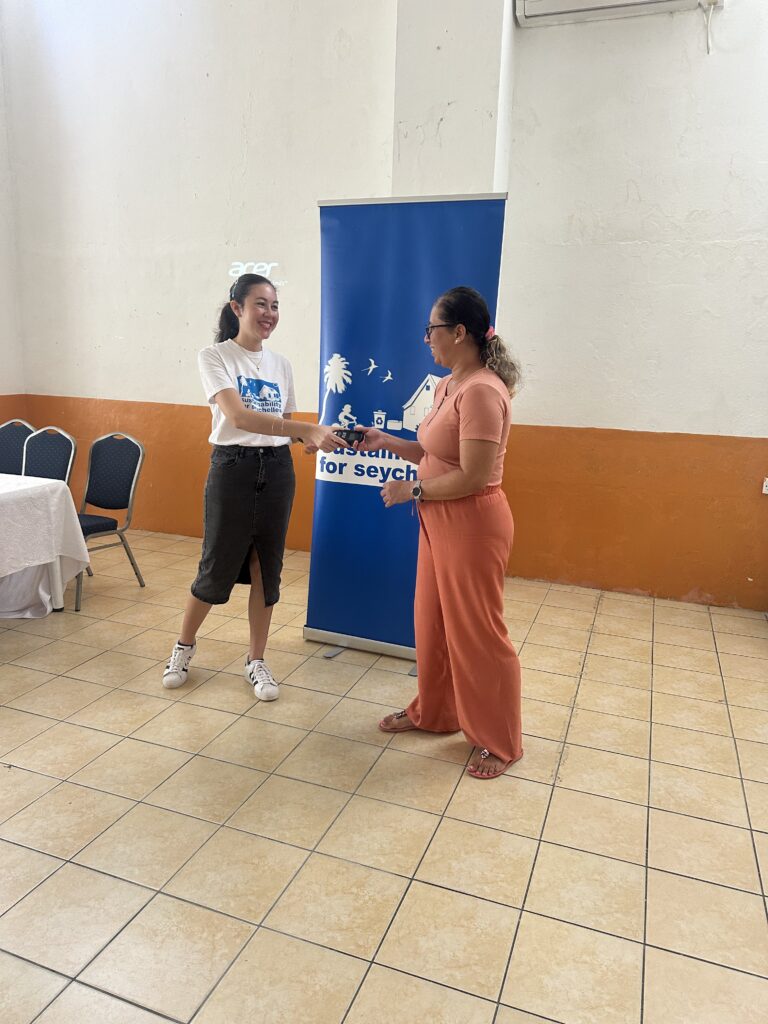
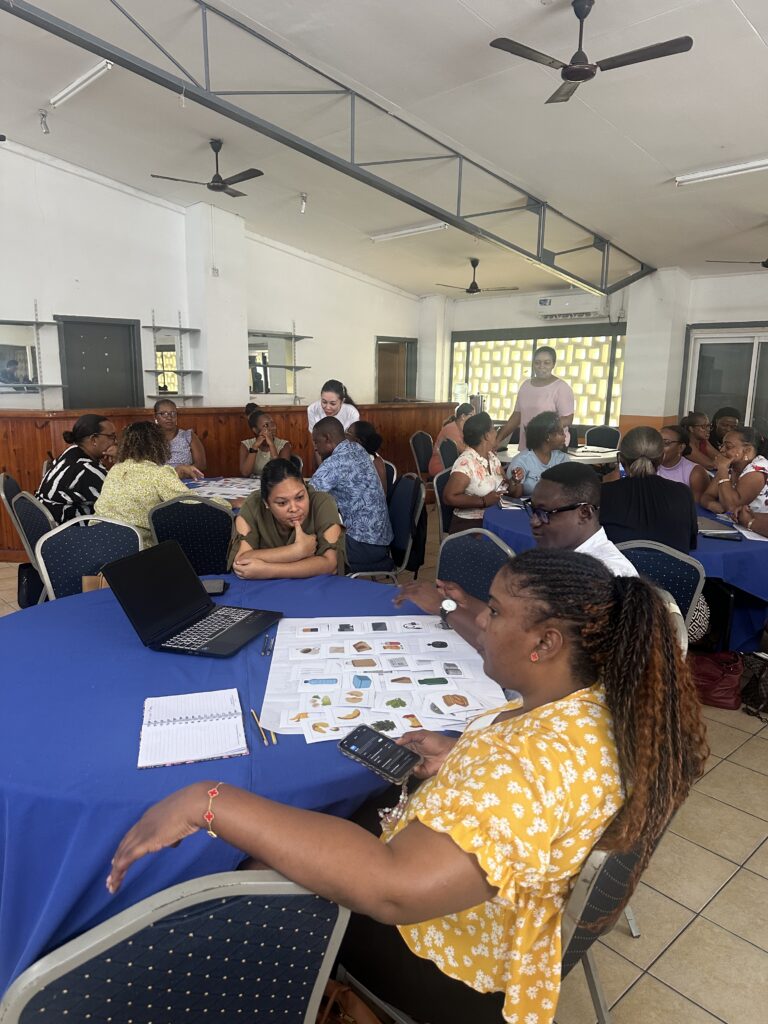
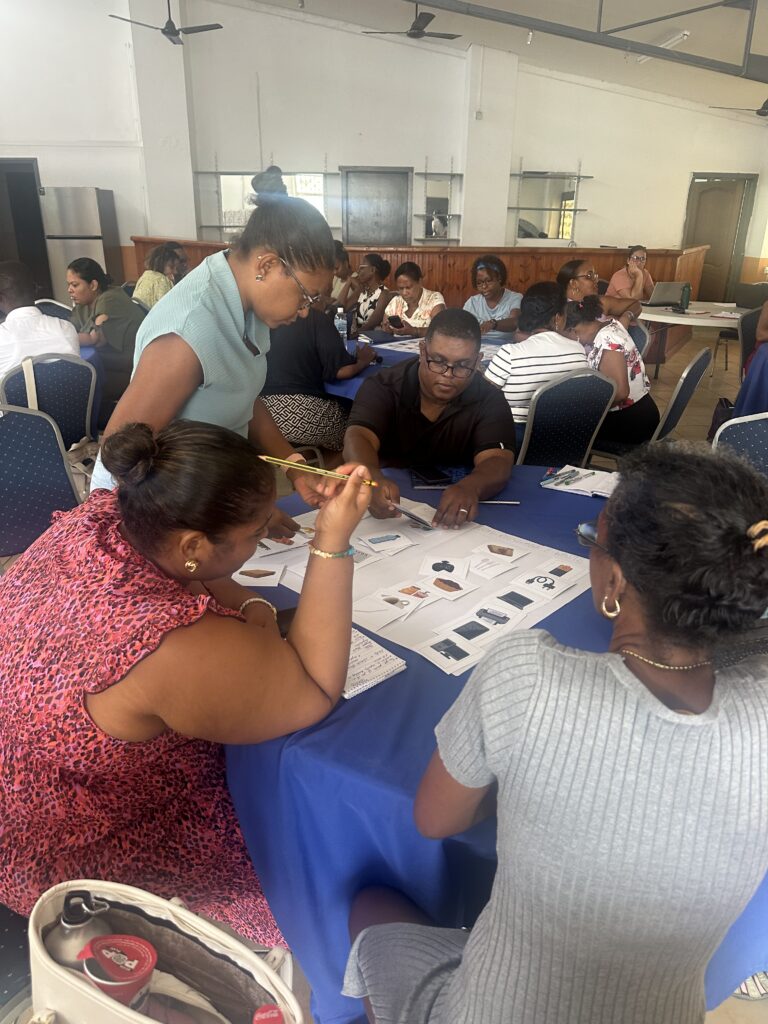
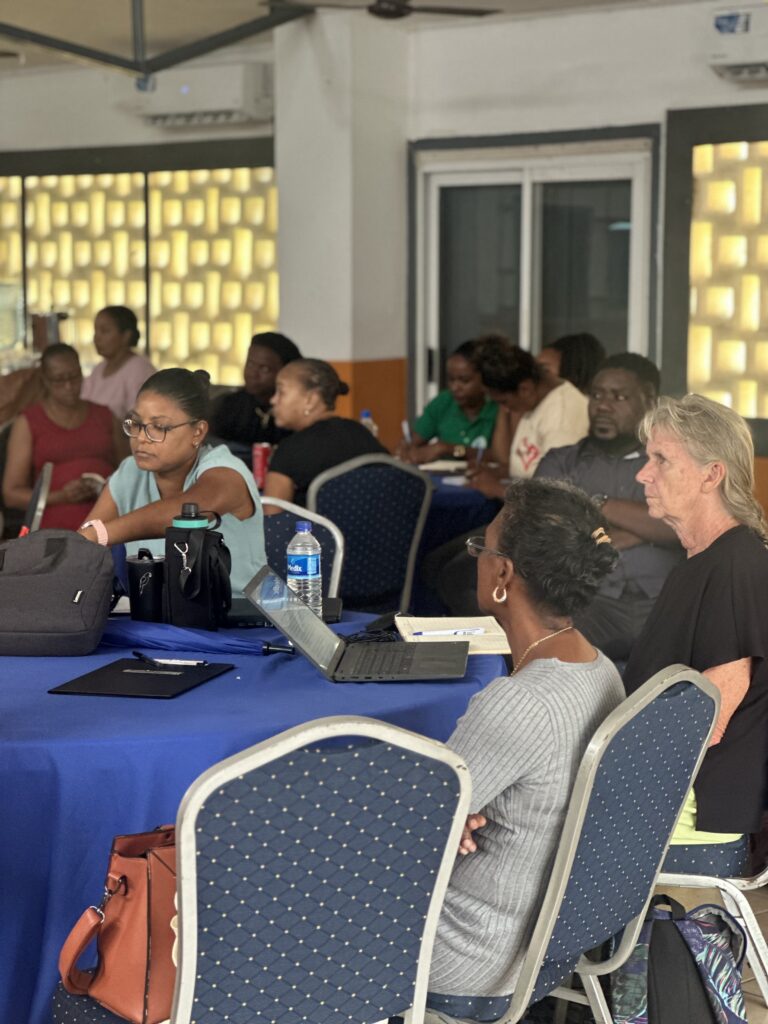
In October 2025, the waste audit tool and manual were presented to 35 stakeholders, including representatives from government ministries, parastatals, and project partners. Stakeholders were trained on using the audit tool for waste monitoring and reporting, equipped with practical knowledge and a clear understanding of how to integrate waste auditing into their office operations.
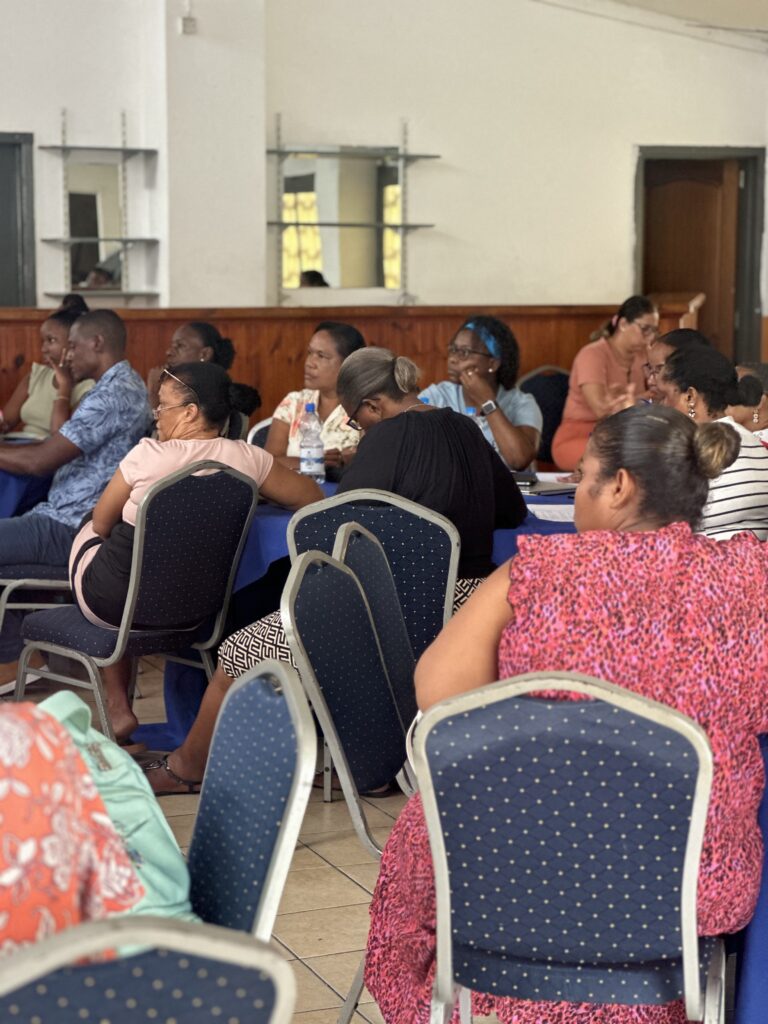
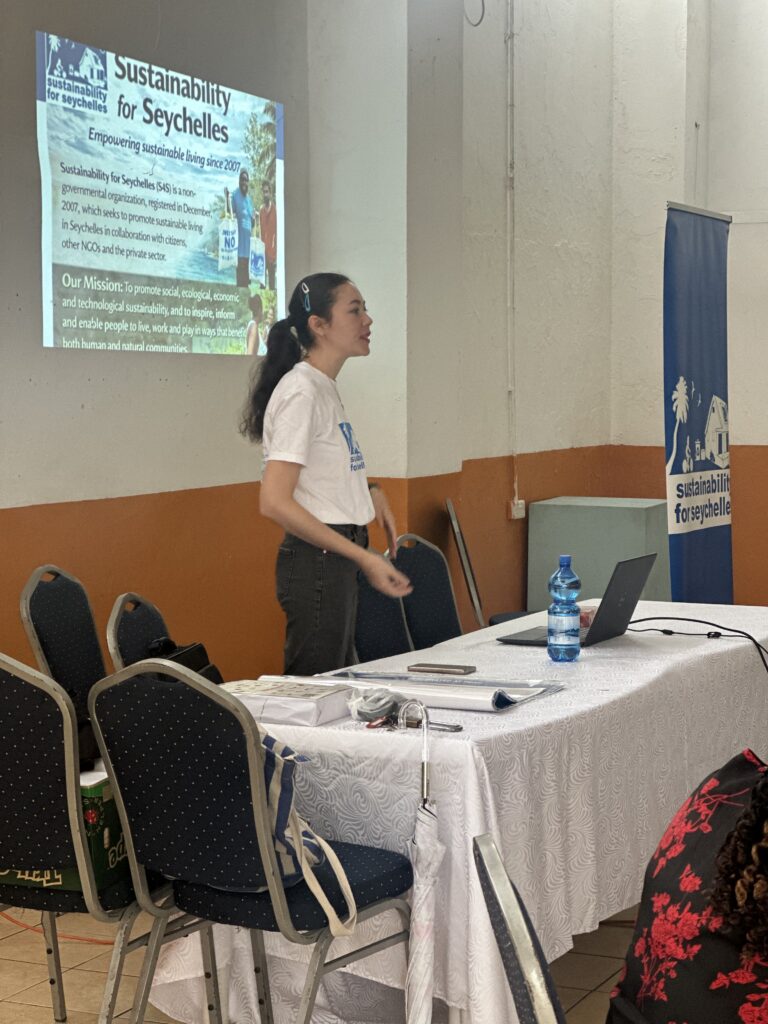
Waste Audit Tool Trainings
Training to use the audit tool is ongoing, with the first of a series of training having started on the 22nd of May 2026 with a group of over 30 teachers trained to use the waste audit tool. These sessions are expected to run from May to June 2026 with different groups and organizations.
On the 29th of May 2026, S4S donated eight new recycling bins to the Ministry of Education at the Official Launching and Sensitisation Session for the MoEHRD Headquarters LEAD-ESD Change Project. Under the theme, “Greening Our Workplace: Advancing Environmental Sustainability” the session presented key initiatives including water conservation, reduction of single-use plastics, and the introduction of waste segregation procedures.